
Idea Loom – Weaving Culture, History, and Mind
Welcome to Idea Loom, a space where culture, identity, relationships, lived experience, and mental health come together. Here, we explore the experiences that shape how we understand ourselves and one another — from family expectations, childhood experiences, language, belonging, and cultural identity to relationships, achievement, neurodivergence, media, and the ways history and community continue to influence our lives. Some pieces are shaped by the perspectives and lived experiences of our clinicians, while others begin with questions we think are worth sitting with. Each article is an invitation to reflect, feel understood, and look at familiar experiences in a new way.
When Being the “Good Daughter” Stops Feeling Like a Choice
Inspired by reflections shared by Parri Sehgal, MHC-LP, Aditi Rai, LMHC-D, explores what happens when being the “good daughter” starts to feel less like a choice and more like a role. This piece looks at family expectations, guilt, boundaries, cultural values, and learning to care for others without losing yourself.

The Parts of Ourselves That Don’t Always Translate
What happens to identity, humor, and belonging when you build a life across languages and cultures? Through reflections from Tyson Wang, MHC-LP, on language, distance, and home, this piece explores experiences that may resonate especially with international students and others living between worlds.
The Forgotten Matrilineal and Women-Led Traditions of India, and Why They Matter for Cultural Healing Today
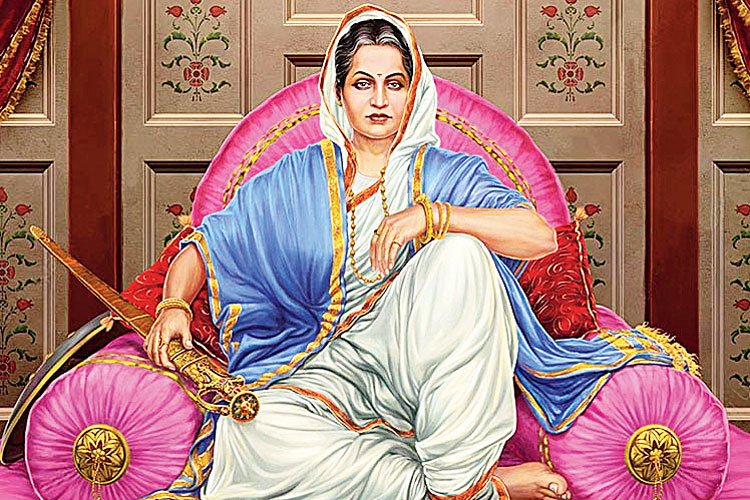
Explore India’s overlooked matrilineal societies, women-led traditions, and female warriors. A culturally grounded perspective that supports identity and healing for South Asian readers.

Rocketman - Coming Home: The Inner Child, the Work of Therapy, and Why This Moment Matters So Deeply
Discover how therapy and the inner child scene in Rocketman reveal Elton John’s path to emotional healing, self-compassion, and integration after childhood trauma.
Feminine Archetypes in Hindu Thought as Psychological Tools for Resilience and Healing
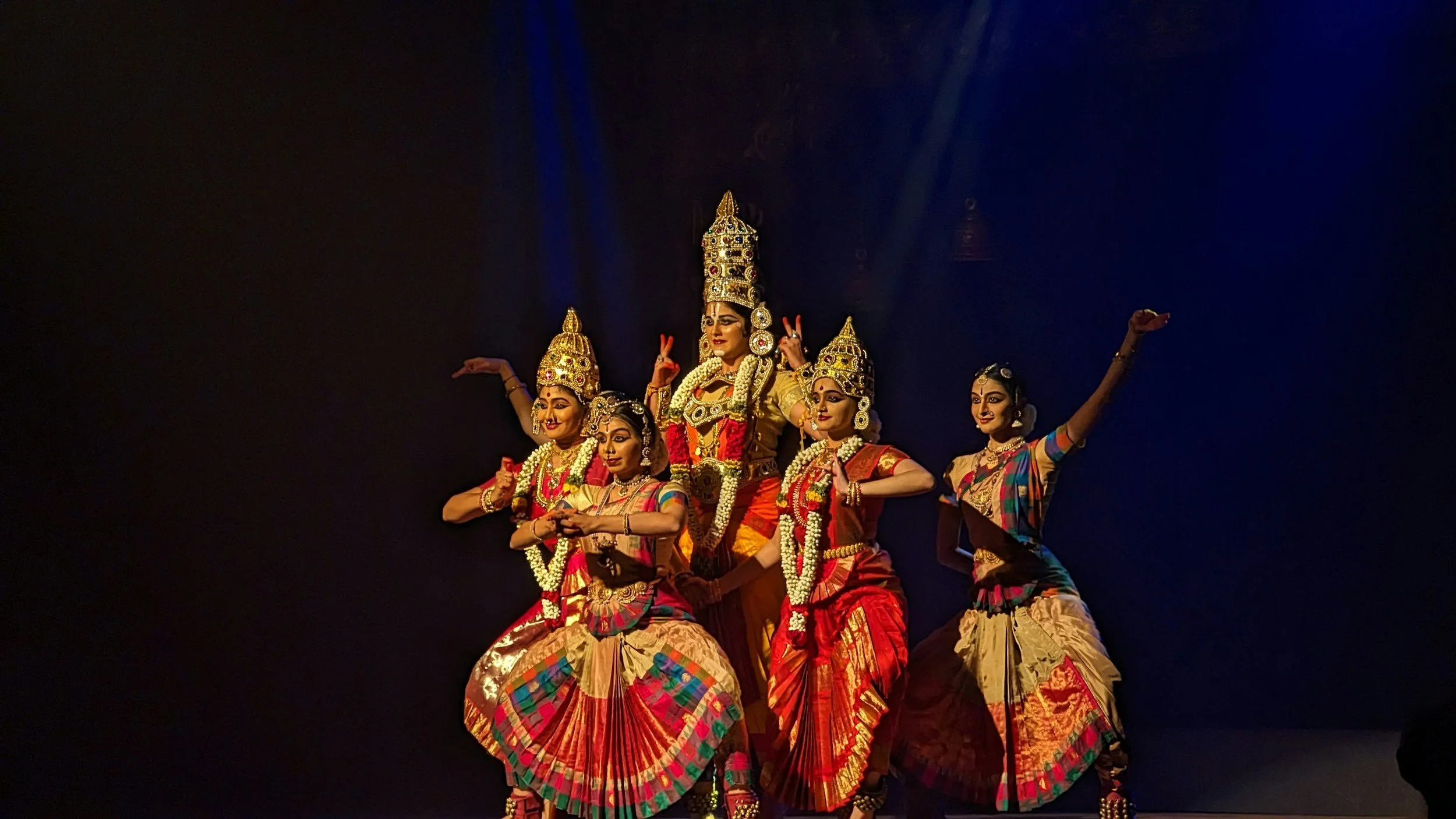
Explore six South Asian feminine archetypes Saraswati, Lakshmi, Durga, Kali, Sita, and Parvati as symbolic tools for resilience, boundaries, creativity, and emotional healing.
How Trauma, Invasions, Purity Rules, and Colonization Reshaped Women’s Status in South Asia
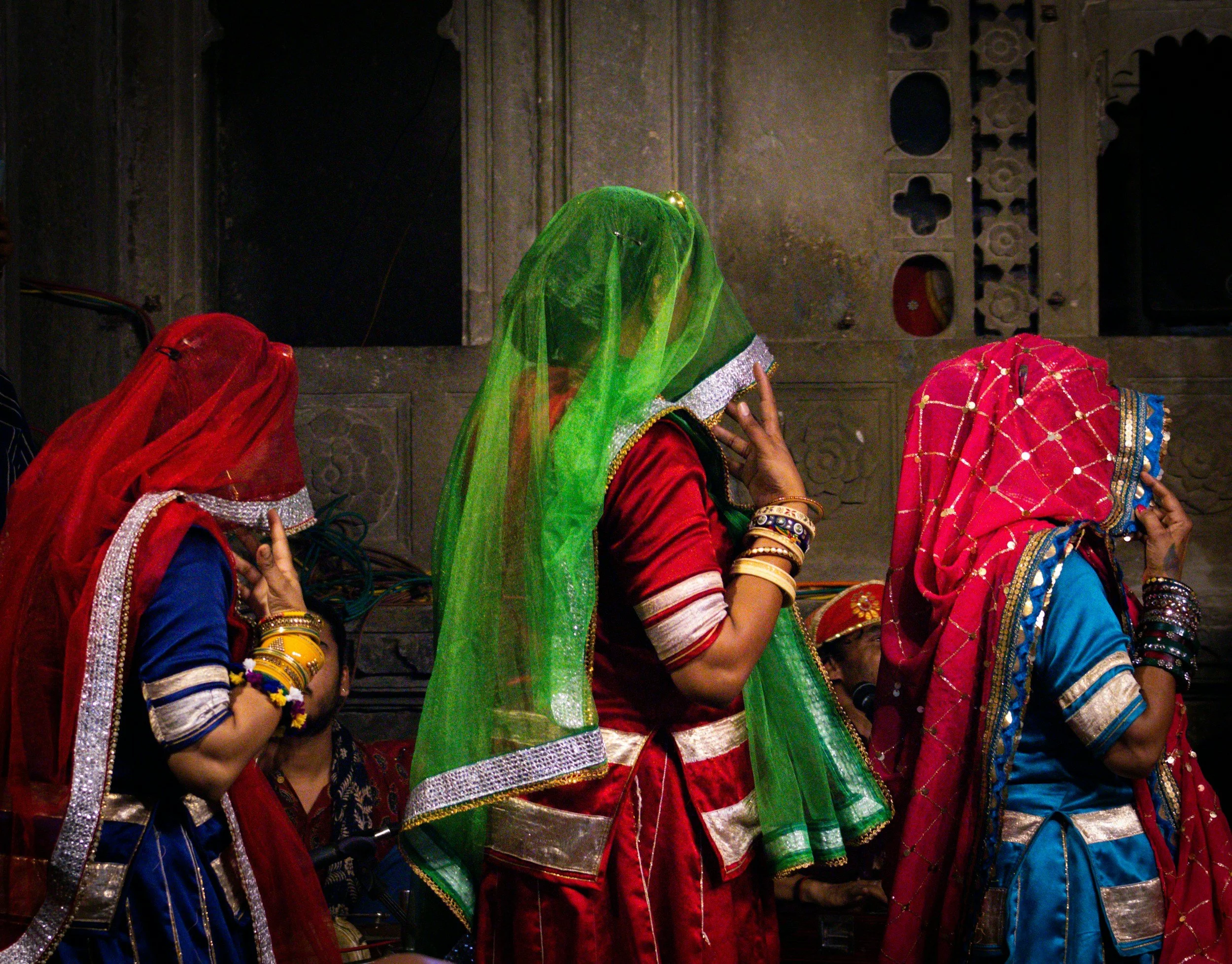
A mental-health perspective on how invasions, purity rules, and colonization reshaped gender norms in South Asia and influenced today’s family expectations.
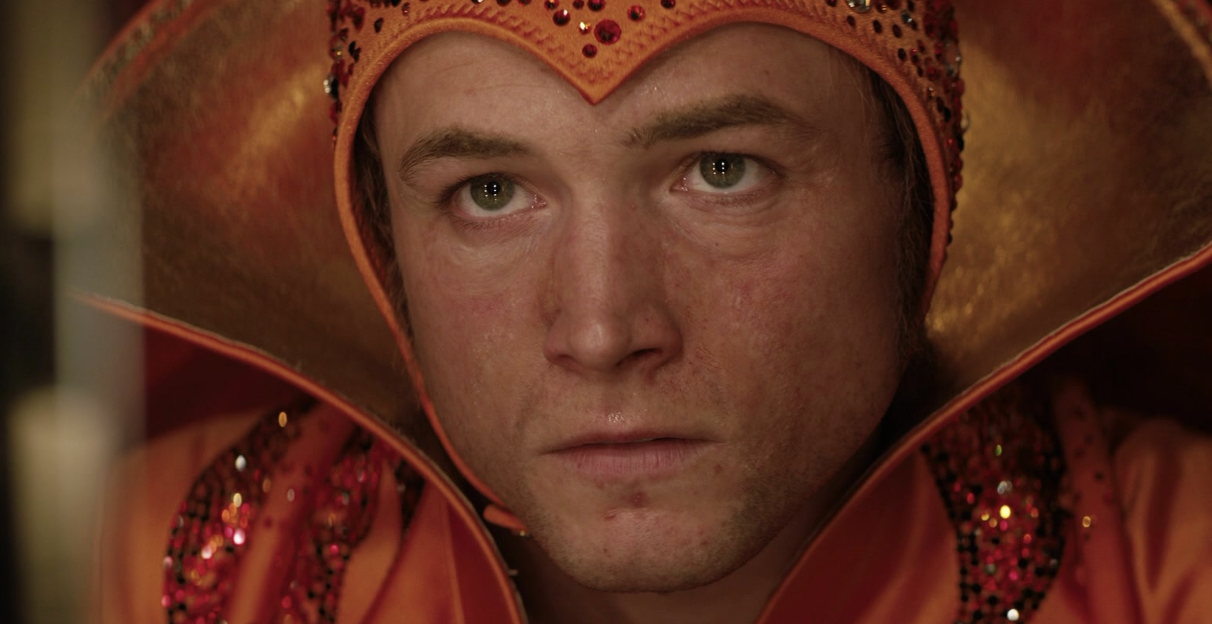
Rocketman - The Breaking point: Addiction, Exhaustion, and the Moment You Finally Tell the Truth
Explore Elton John’s emotional struggle behind the fame in Rocketman. Discover how addiction, exhaustion, and unmet emotional needs led to his breaking point—and the start of his healing journey.
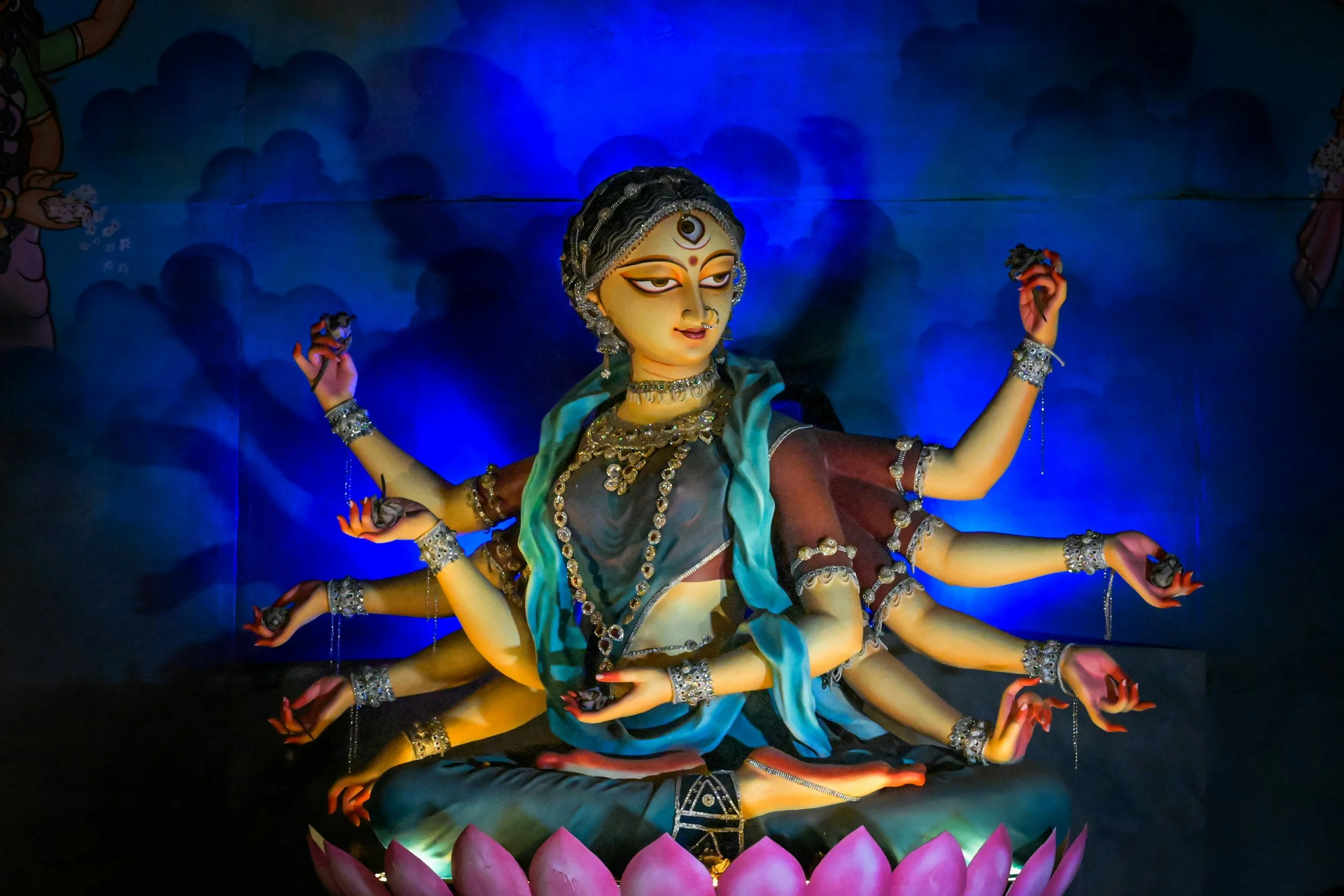
How Hindu Philosophy Can Offer Empowering Perspectives on Women and Identity
Explore how Hindu philosophical traditions like Shakti, goddess archetypes, and spiritual autonomy offer empowering insights for women’s identity and wellbeing.

Five Hindu Principles Supporting Self-Choice After Childhood Trauma
Five Hindu principles offer timeless wisdom for trauma survivors. From dharma (honoring your authentic path) to ahimsa (treating yourself with compassion), these teachings show that choosing yourself after childhood pain isn’t selfish—it’s sacred. In this post, we explore how ancient stories from the Mahabharata and Ramayana can guide modern healing, especially when family and cultural expectations feel heavy.

Rocketman and the Cost of Keeping Up With the Joneses
Explore how Elton John’s Rocketman reveals the deep impact of growing up feeling unseen, where love feels earned, not given freely. Discover how this silent pain shapes identity and the lifelong effects of seeking validation through performance and conditional love.

Rocketman – The Beginning
Elton John’s Rocketman reveals how quiet emotional neglect in childhood silently rewires a person’s sense of worth. This subtle trauma shapes us deeply and lasts a lifetime.

Healing Your Inner Child: 6 Practical Steps to Begin Your Journey
Practical steps to heal your inner child with self-compassion and joy. Aura of Hope Psychotherapy offers affordable therapy in New York, with insurance options.

Meeting Your Inner Child: Understanding the Wounded Self Within
The “inner child” holds our earliest wounds, unmet needs, and survival strategies. In this blog, discover what the inner child really is, how to recognize when it’s speaking through triggers or patterns, and simple ways to begin connecting with it. Understanding this wounded part of yourself is the foundation for compassion and the first step toward true healing.

Understanding Childhood Trauma: What Every Adult Survivor Should Know
Childhood trauma isn’t always visible, but its effects can last a lifetime. This blog explores different forms of trauma—physical, emotional, sexual, neglect, abandonment, and hidden wounds like enmeshment and conditional love. Learn how these early experiences shape adult relationships, self-worth, and health, and why recognition is the first step toward healing.